
Categories List
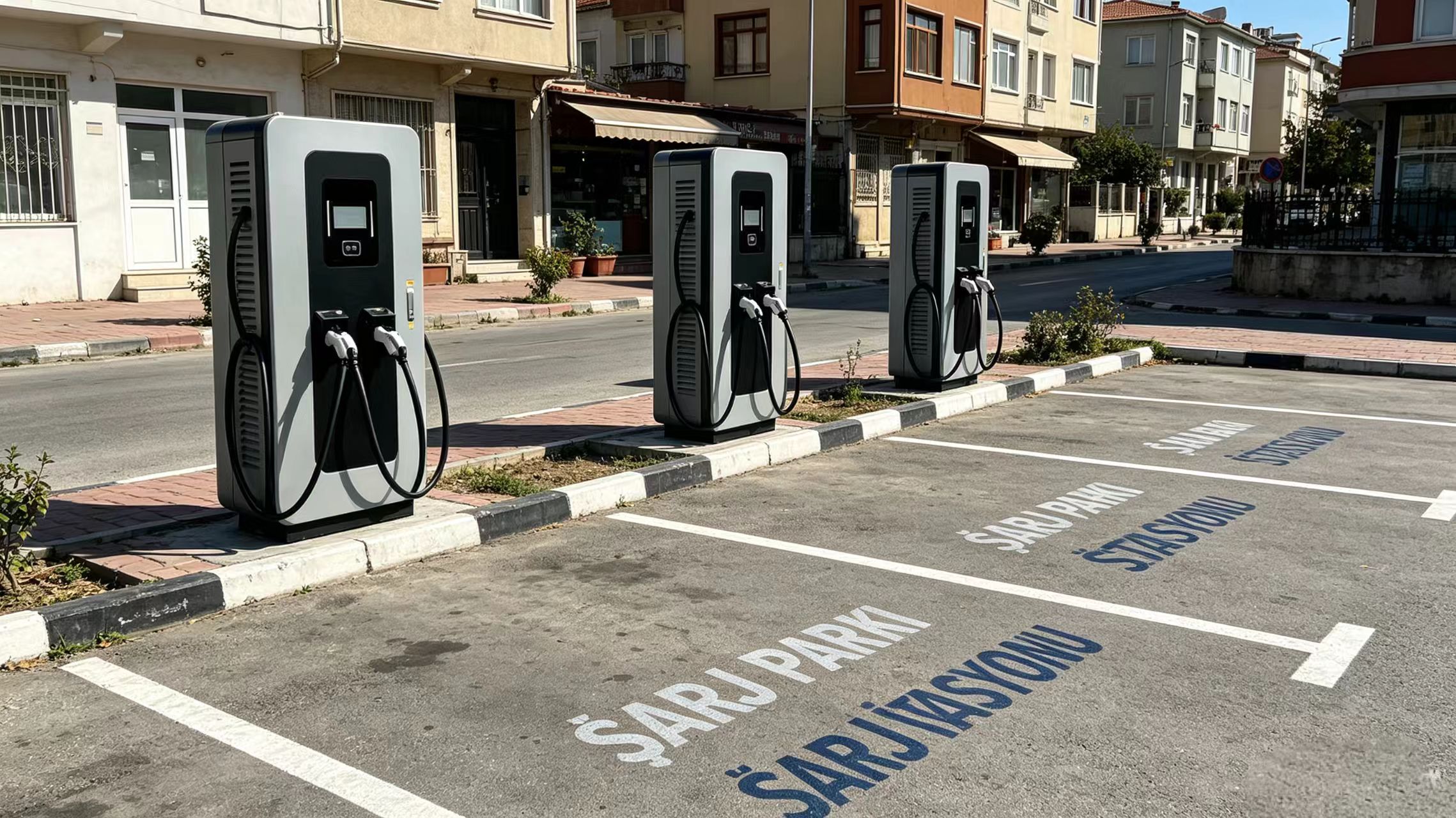
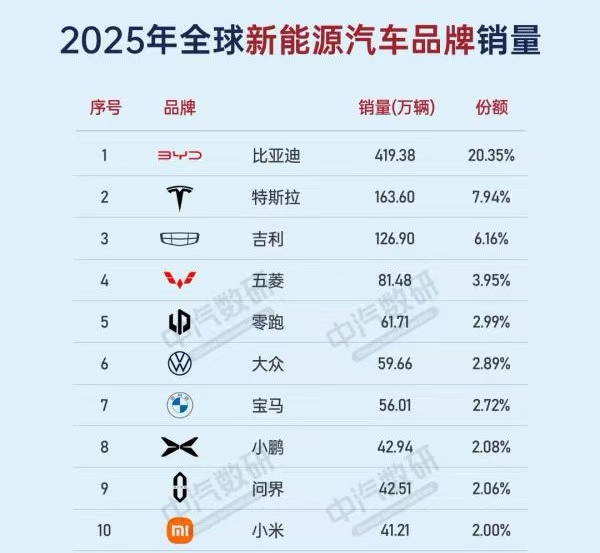
Power batteries are the most critical components of electric vehicles, and are also the focus of competition among major automobile factories, and the next stage of the solid-state battery competition for vehicles is about to begin.
Among the key technologies of emerging electric vehicles, on-board solid-state batteries are undoubtedly the most important battlefield at present. Various manufacturers have invested heavily in the development of safer, more energy-dense, fast charging solid-state batteries, which are expected to be commercialized in 2 to 3 years. There are many players involved in this competition, but at present, Asian companies are still making faster progress, especially Chinese companies with a huge electric market, and will inevitably become one of the most influential and profitable winners.
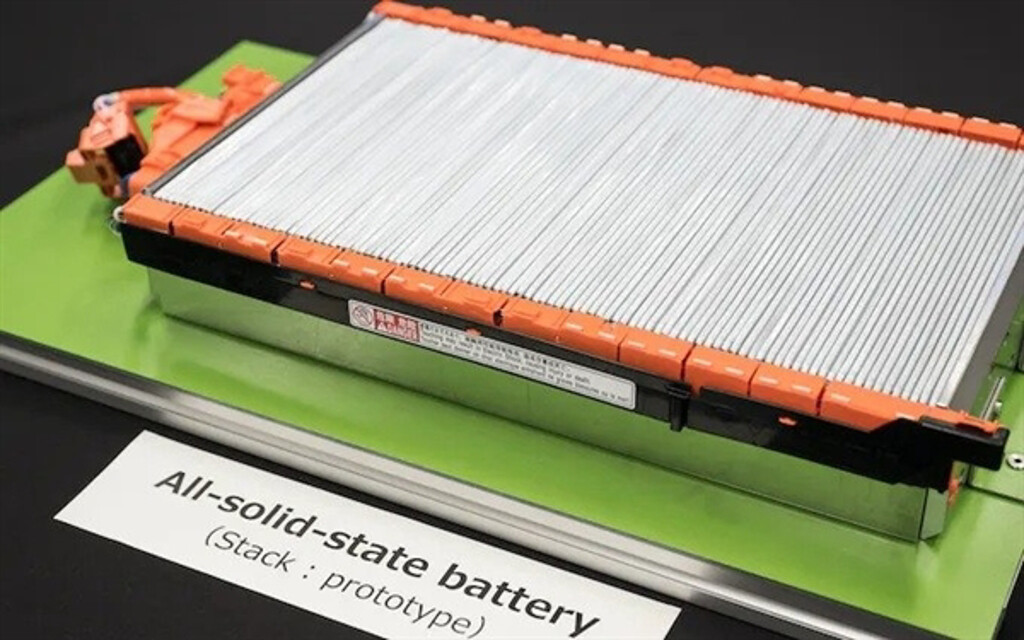
The popularity of electric vehicles is an irreversible trend, and the most critical technology for the production of electric vehicles is the on-board battery, and the mainstream of current research and development is solid-state lithium batteries. Due to the strong promotion of the Chinese government, Chinese automobile companies and automotive battery companies have also been able to capture territory abroad, and even caused a sense of crisis among foreign governments. In addition, the Japanese and South Korean auto industries have also invested a lot of money in the development of power batteries, with considerable results, and the recent announcement of solid-state batteries by Taiwan battery manufacturers at the Paris Auto Show has also attracted great attention, making the situation of the entire automotive battery field more tense.
From the current solid-state battery has become recognized as the preferred solution for the next generation of automotive batteries, there are many countries and enterprises to join the race, China, Japan and South Korea and Europe and the United States will even develop solid-state batteries to the height of national strategic industry. There are more and more entrants to the development of solid-state batteries, many of which have government support. In China, for example, there are Ningde Times, BYD, Weilan, too blue, Japan has Panasonic, Toyota, Nissan, South Korea has Samsung SDI, SK batteries, Taiwan has the recent Paris auto show quite eye-catching Hui energy.
According to statistics, as of the beginning of 2024, Japan accounted for nearly 40% of the world's patent applications, accounting for six of the top 10 companies with the most filings. Its technical strength is strong, and enterprises are also strongly willing to spend big money to participate in cross-generation industry competition, and more than 70 papers on solid-state batteries have been published in the past four years.
These newly developed solid-state batteries have multiple growth in energy density compared with the current mainstream lithium iron phosphate batteries and ternary lithium batteries in the mainland, which will greatly promote the popularization of electric vehicles. The land enterprise too blue new energy has also developed a vehicle level ultra-high energy density all-solid-state lithium battery, NiO is also ready to promote from the energy density of 360Wh/kg semi-solid battery to all-solid-state battery, scheduled for mass production in 2025. Chery announced that the all-solid-state battery will be on the car in 2026 and will be mass-marketed in 2027.
In addition to greatly improving the battery energy density to solve the endurance problem, the most important thing is to solve the safety concerns such as spontaneous combustion of electric vehicles, and improve the low temperature power failure, charging time (only about 5-10 minutes) and other problems.
The solid state battery mass production targets are mostly set between 2026 and 2030, and some companies plan to launch trial products before measuring sound, so the electric vehicle market will soon face the impact of solid state batteries.
On the whole, Japanese manufacturers will carry out trial production next year and the year after, the Korean system may be 1 to 2 years later than the Japanese system, and even the most conservative and low-key mainland battery giant Ningde Times has been forced to state that the solid state battery mass production time from 2030 to 2027. It can be expected that under the fierce competition, the pace of development of the industry will become faster and faster, and the enterprise heart of grabbing the market will become stronger and stronger, and consumers should soon be able to see the flourishing of the car power battery.
Leave A Reply

Please Give Us A Message