

Categories List

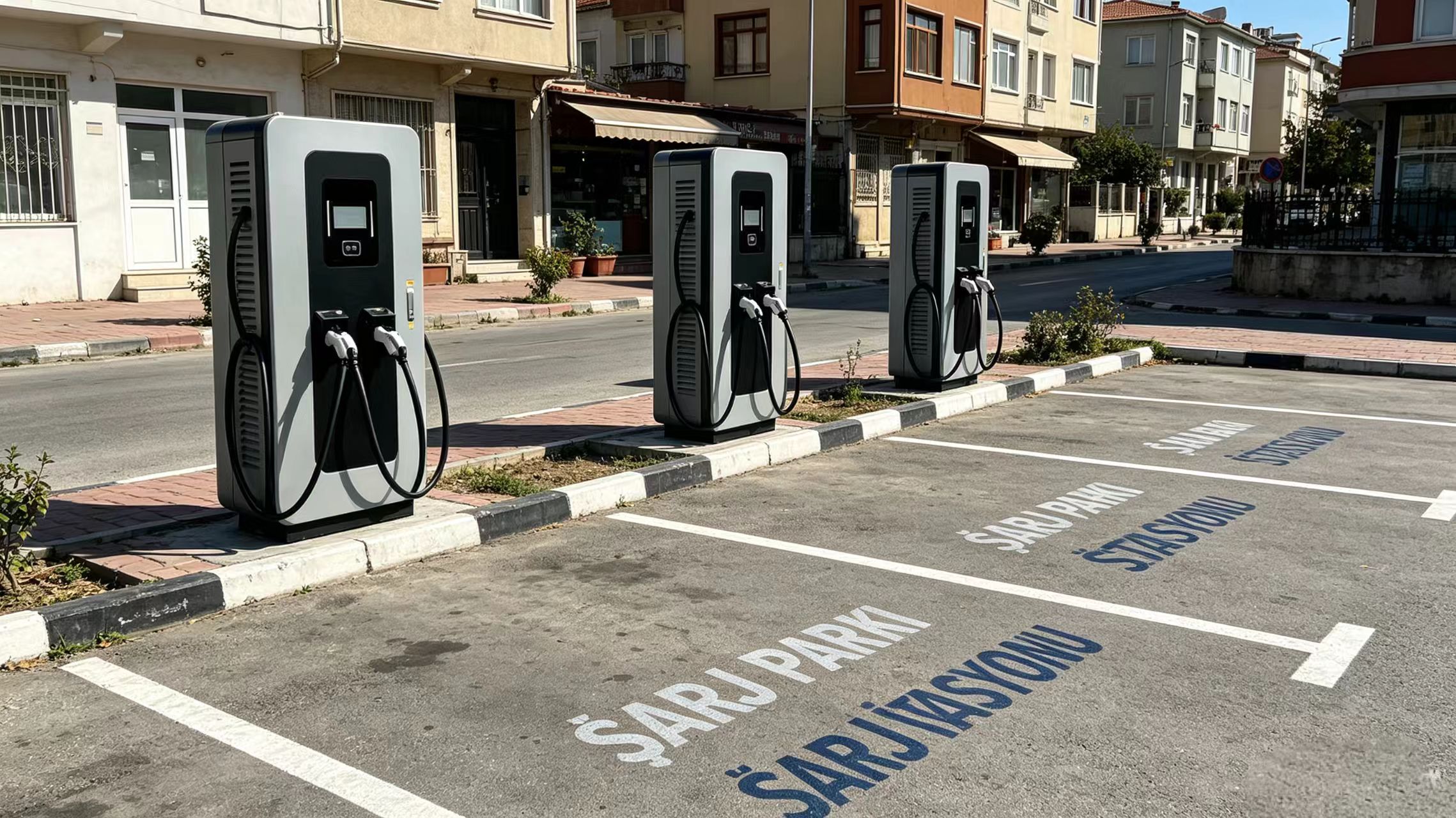
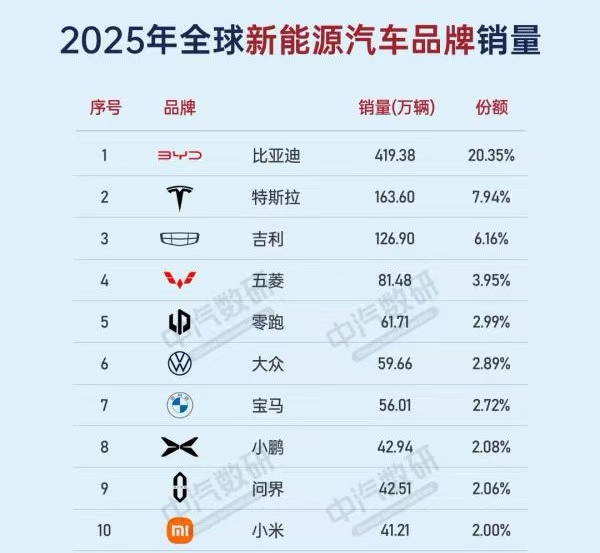
How to promote the construction of charging infrastructure to meet the demands of electric vehicle (EV) development? Norway, a pioneer in EV adoption with the world’s highest charging point coverage—including deployments even within the Arctic Circle—offers valuable experience worthy of observation and study.
Public charging points demonstrate stronger profitability
Between 2008 and 2011, Norway took four years to sell its first 10,000 EVs. By 2022, however, the same volume was achieved in approximately four weeks. As the total cost of EV ownership reached parity with internal combustion engine vehicles, EV sales surged dramatically, which in turn fueled a sharp rise in demand for charging infrastructure. This created first-mover advantages for enterprises that entered the charging infrastructure market early.
Public charging points in Norway command price premiums, enabling them to sustain high profit margins. McKinsey research shows that the cost of using on-the-go chargers—those deployed along highways and near fueling stations—is three to four times higher than the cost of home charging. According to McKinsey’s Global Electric Vehicle Charging Infrastructure Model, by 2030, public charging solutions such as on-the-go and destination charging (e.g., at shopping malls, cinemas, and restaurants) are projected to account for approximately three-quarters of Norway's EV charging profit pool, despite representing only around 40% of total electricity demand. In contrast, home charging will require a quarter of total electricity supply but contribute merely one-tenth to the profit pool.
Optimizing Charger Deployment and Operational Capabilities
The extensive market potential of charging infrastructure has attracted a wide array of participants—including conventional fuel retailers, automakers, public utilities, and independent energy companies—all actively investing in charging infrastructure development. However, as EV market penetration increases and user demands grow more diverse and complex, competition in the charging sector is intensifying.
A fragmented provider landscape offers users a wide variety of charging options, yet the need to switch between different charging applications often causes inconvenience. Widespread system issues—such as limited direct payment options, poorly designed parking bays, short charging cables, and hardware malfunctions—also contribute to user frustration and may exacerbate charging availability anxiety. In Norway’s latest annual EV charging survey, more than half of respondents reported that fast chargers frequently experience outages.
McKinsey analysis indicates that highly dispersed charging stations, each equipped with only a small number of chargers, can lead to user queuing and prolonged waiting times, further aggravating concerns around charging convenience. Therefore, in high-utilization areas such as highways, building large-scale charging hubs with a substantial number of chargers can strengthen operators' competitiveness.
Designing Tailored Services to Meet User Needs
Public charging stations serve diverse users on a daily basis—from taxi drivers and long-distance travelers to daily commuters. Each user segment has distinct charging requirements. For example, families on long journeys may prioritize nearby amenities where they can rest or dine, showing less concern for charging speed. In contrast, taxi drivers place greater emphasis on charging speed and cost variations across different charging locations.
McKinsey concludes that defining the appropriate pace and scale of charging infrastructure development is a key insight from Norway’s EV charging evolution. Companies investing in charging infrastructure are advised to adopt a comprehensive strategy, gaining a thorough understanding of all aspects—from profit pool dynamics and target customer segments to investment timing. A clear product roadmap should be developed for each target segment, featuring a well-articulated value proposition, strategic pricing, and an integrated user journey.
Leave A Reply

Please Give Us A Message