

Categories List

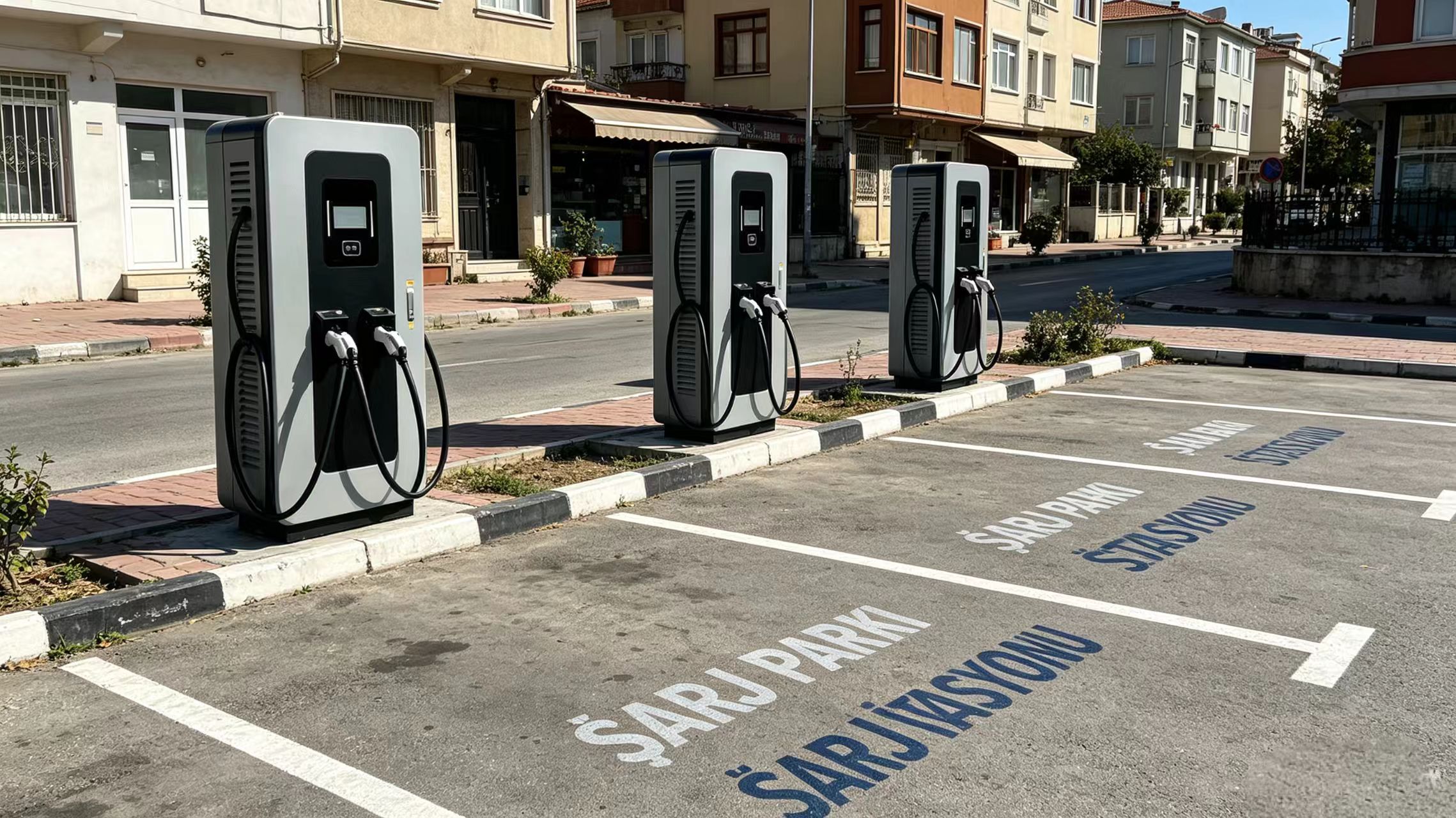
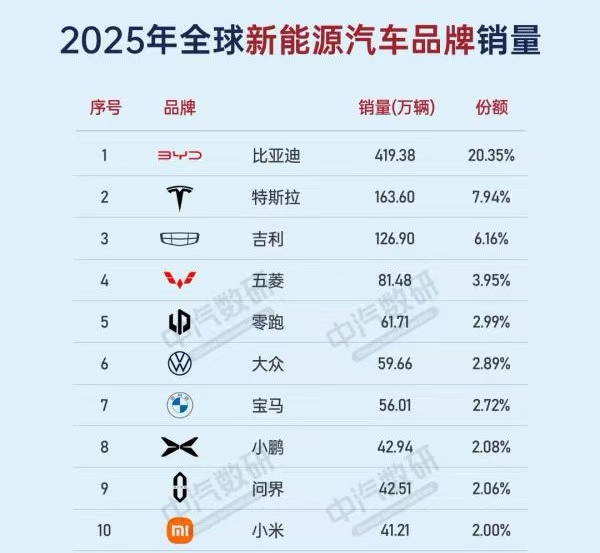
Winter charging for electric vehicles requires careful attention to details to mitigate adverse effects on range and battery longevity.
**1. Selecting an Appropriate Charging Environment**
Prioritize indoor charging stations or sheltered, dry locations such as underground parking facilities or garages. These environments maintain relatively stable temperatures, enhancing battery reactivity and charging efficiency.
**2. Avoiding Enclosed Spaces**
Safety is paramount. Refrain from charging in confined areas like indoor spaces or corridors, where battery overheating and potential hazards may occur. Always opt for well-ventilated locations to ensure safety.
**3. Frequent Charging to Avoid Low Battery Levels**
Winter accelerates battery depletion. Initiate charging when the battery level drops below 50%, and ensure timely replenishment once it reaches 20%–30% to prevent significant battery degradation.
**4. Extending Charging Duration Appropriately**
During winter, slightly prolong charging times—typically 8–10 hours. After the charger indicator turns green, continue floating charging for 1–2 hours to ensure full battery saturation.
**5. Preconditioning the Battery for Faster Charging**
Utilize the vehicle’s preconditioning feature or undertake a short trip before charging to elevate the battery to its optimal temperature. This practice accelerates charging speed. Many models support automated battery preconditioning during home charging—leverage this functionality.
**6. Fast Charging vs. Slow Charging**
In low-temperature conditions, DC fast charging outperforms AC slow charging in terms of duration. However, frequent fast charging may compromise battery health. Strategically balance fast and slow charging to preserve battery longevity.
**7. Cultivating Sound Usage Habits**
Employ climate control and seat heaters judiciously to minimize additional battery strain. When parking for extended periods, deactivate non-essential electrical systems to avoid unnecessary power drain.
**Key Takeaways**
- Choose suitable charging environments and avoid enclosed spaces.
- Charge frequently to maintain adequate battery levels.
- Adjust charging duration appropriately for winter conditions.
- Precondition the battery to optimize charging speed.
- Adopt disciplined energy management practices.
These guidelines aim to enhance your winter electric vehicle charging management for improved performance and durability.
Leave A Reply

Please Give Us A Message