

Categories List

Indonesia's new energy vehicle market has undergone exponential growth over the past five years. From fewer than 500 battery electric vehicles sold in all of 2021 to 43,188 units in 2024, the market has exhibited an accelerating trajectory in 2025, with BEV sales reaching 35,749 units in the first half of the year alone, representing a year-on-year increase of 267%. More notably, wholesale volumes in July 2025 reached 5,433 units in a single month, with cumulative sales over the first seven months matching the full-year total of 2024. By the end of 2025, Indonesia's electric vehicle parc had approached 120,000 units, doubling within a single year. In terms of penetration rate, however, electric vehicles remain a niche segment, with BEVs accounting for merely 5% of total vehicle sales in 2024, rising to approximately 12% when hybrid models are included. Nevertheless, the trend has been firmly established: EV market penetration surged to 15.2% in the second quarter of 2025, signaling that a structural inflection point may have arrived.
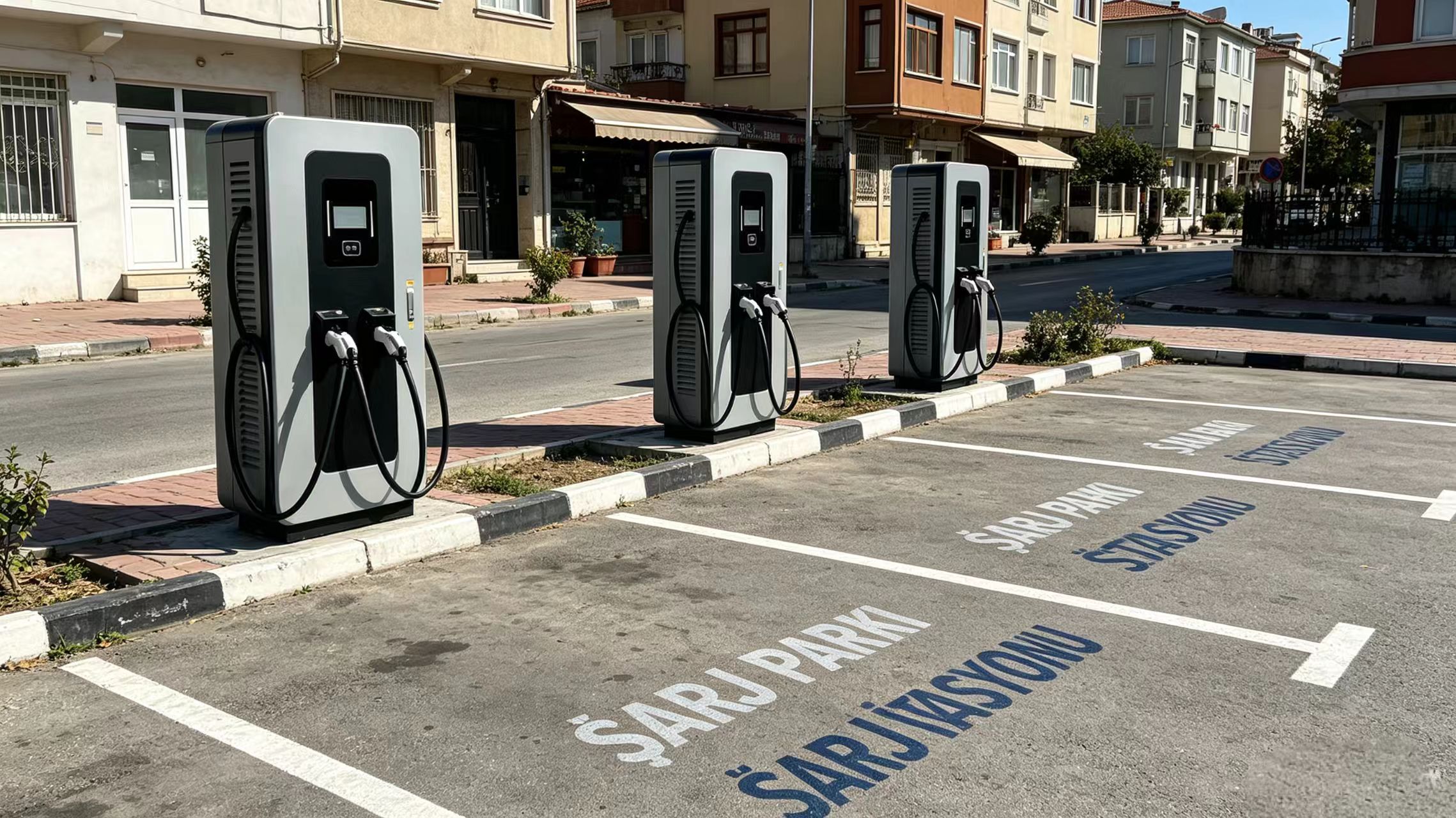
Charging infrastructure constitutes the core bottleneck constraining further market expansion. Although Indonesia's state electricity company PLN is accelerating deployment, the national total of charging stations stood at approximately 3,385 as of 2025, leaving an enormous gap relative to the target of 63,000 units planned for 2030. Moreover, the vast majority are concentrated in Java and Bali, with outer islands remaining virtually blank. For Chinese enterprises expanding overseas, this represents both a deficiency and an opportunity.
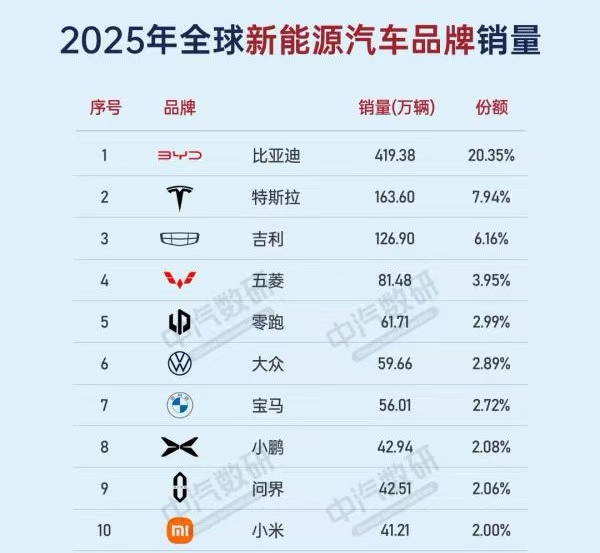
The brand competitive landscape presents a highly dramatic picture: Chinese brands are rewriting Indonesia's five-decade-long Japanese-dominated automotive market order at an unprecedented pace. In 2024, BYD became the BEV sales champion with 15,429 units, capturing approximately 36% market share. By 2025, this figure climbed further to over 50%, with multiple BYD models persistently dominating the rankings; its Atto 1 became the nation's best-selling model in November 2025 with monthly sales of 8,333 units, surpassing even gasoline-powered vehicles from Toyota and Nissan. In July 2025, the top ten best-selling electric vehicles all originated from Chinese brands, including BYD, Chery, Wuling, GAC Aion, and Geely. Japanese automakers have nearly lost their presence in the pure electric segment and are attempting to counterattack with hybrid models, such as Honda reducing the price of the CR-V hybrid and Suzuki launching the eVitara; however, the advantages of Chinese enterprises in electric drive technology and supply chain integration remain difficult to challenge in the near term.
Leave A Reply

Please Give Us A Message