

Categories List

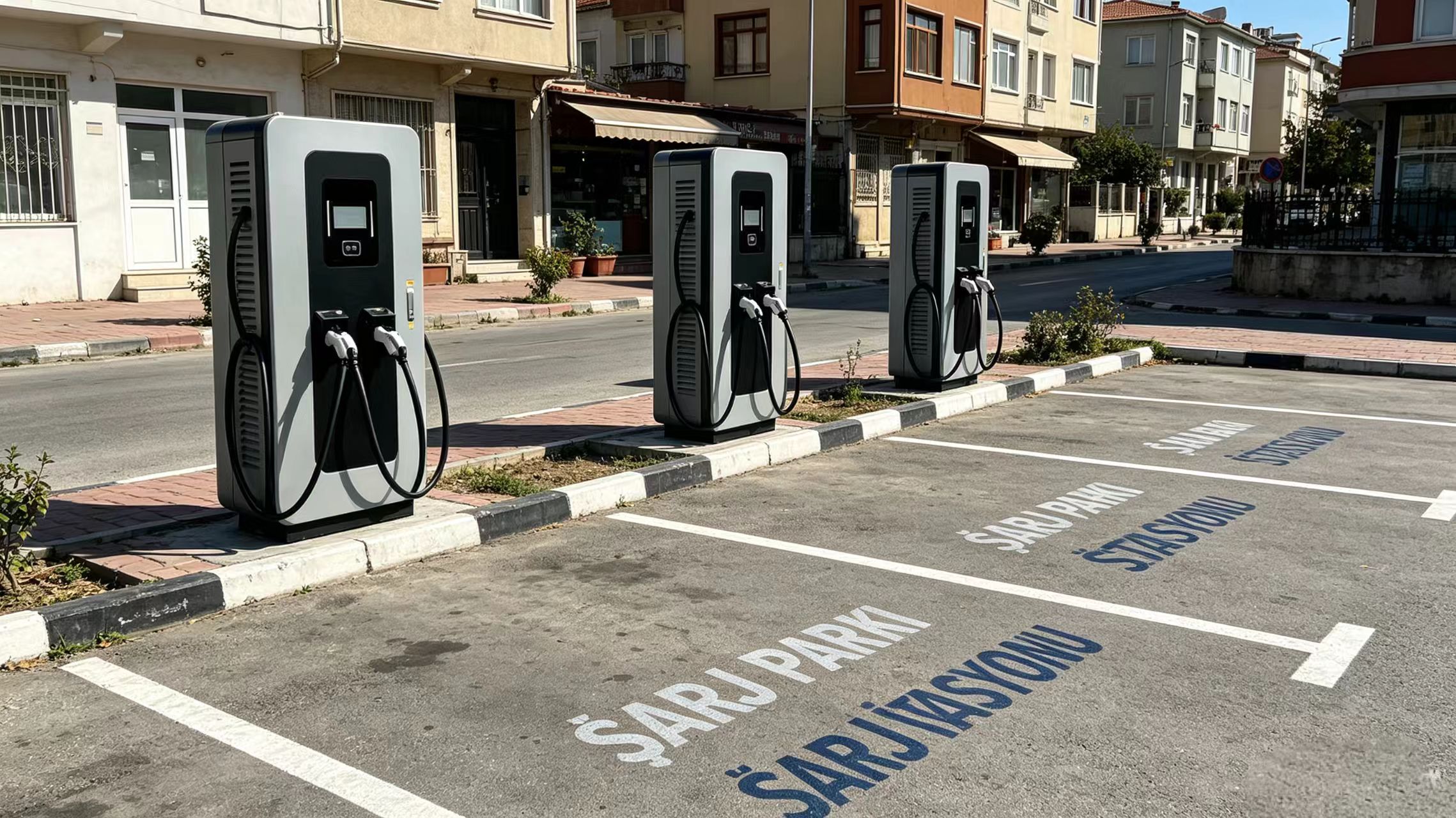
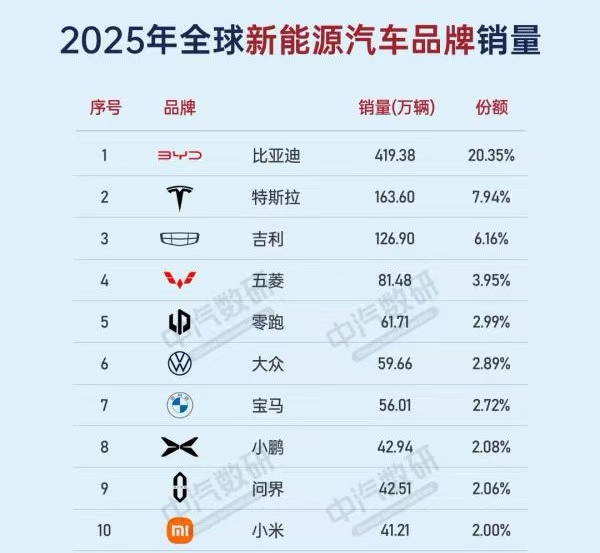
In March 2026, the registrations of battery electric vehicles (BEVs) in 14 major EU and European Free Trade Association (EFTA) countries exceeded 224,000 units, representing a year-on-year increase of 51%, and accounted for 22% of total new vehicle sales in that month; it is estimated that this proportion stood at 21.2% across the entire EU. In the first quarter of 2026, cumulative BEV registrations in EU countries exceeded 500,000 units, marking a 33.5% year-on-year increase compared with the same period in 2025. Year-to-date BEV registrations in the five major economies of Germany, France, Spain, Italy and Poland all recorded a year-on-year growth of over 40%. Among them, Italy's BEV market share rose from approximately 5% at the end of 2025 to 8.6% in March 2026, with registrations increasing by 65% year-on-year; driven by new incentive policies, one out of every four new vehicles sold in Germany in March was a BEV, driving a 42% year-on-year increase in year-to-date sales; in France, BEVs accounted for 28% of new vehicle sales in March, and benefited from the social leasing program, year-to-date sales have increased by nearly 50%. Nordic countries continue to maintain their leading position: BEVs accounted for 76.6% of new vehicle sales in Denmark in March, nearly 50% in Finland, and 98.4% in Norway.
Relevant institutions point out that the popularization of electric vehicles has significantly reduced Europe's dependence on imported oil, and based on current registration volume estimates, it can reduce oil demand by approximately 2 million barrels per year. This trend had already emerged before the Middle East situation fully affected market data, and purchasing behaviors of consumers and fleet operators are accelerating the adoption of electric vehicles.
Leave A Reply

Please Give Us A Message