

Categories List
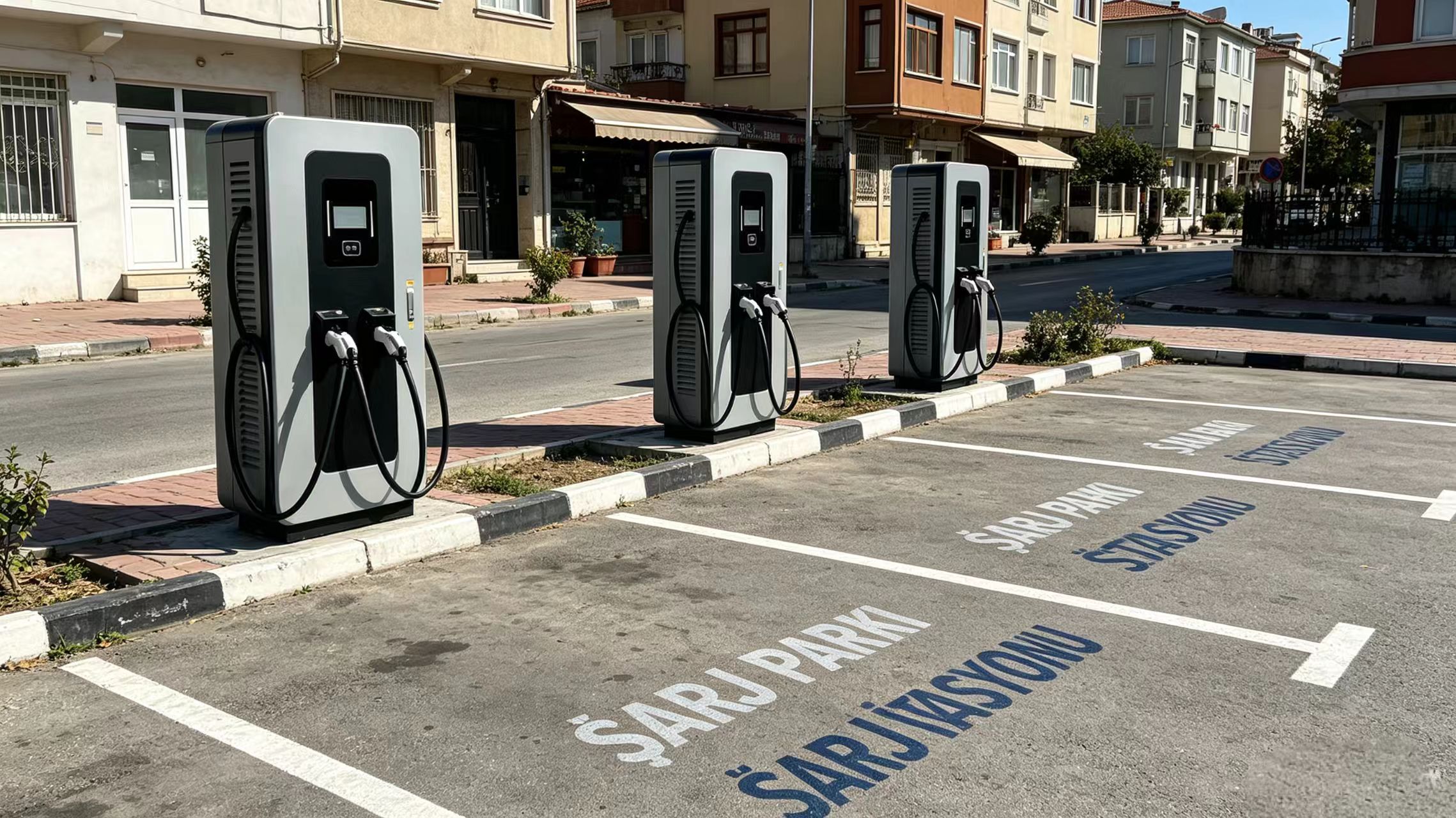
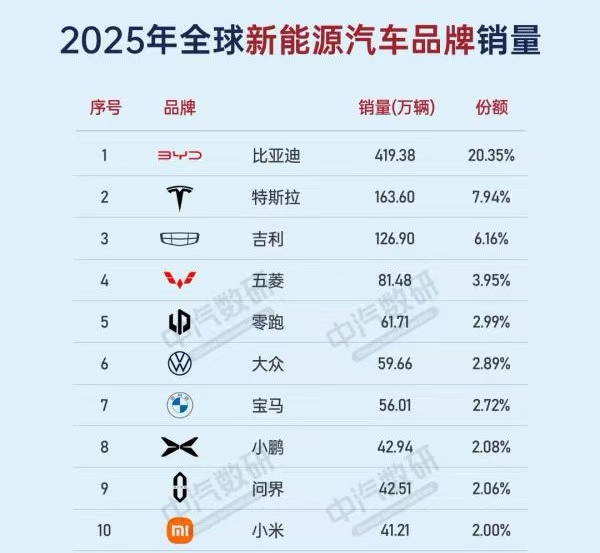

It has been one week since BYD's unveiling of the second-generation Blade Battery and its flash charging stations. Over this period, numerous automotive enthusiasts have gained a certain understanding of BYD's latest technological advancements. However, as the discussion deepens around the second-generation Blade Battery and flash charging technology, several questions have emerged. These primarily concern whether ultra-fast charging may adversely affect battery health and whether such rapid charging could impose stress on the power grid.
The notion that fast charging negatively impacts battery longevity is not new; it dates back to the early proliferation of mobile phones in the 2000s. So, does fast charging genuinely affect battery life? Indeed, fast charging poses potential risks to battery durability, and such a conclusion is not unfounded if we consider the outcome without examining the underlying mechanism. Yet, it is worth delving deeper: Why does fast charging impair battery life, what are the fundamental causes, and how can such effects be mitigated?
Asserting that fast charging harms battery life is an oversimplified and somewhat irresponsible claim, as it bypasses the core mechanism and draws conclusions based on superficial logic. Fast charging operates on the principle of high voltage and high current. According to Joule’s Law, Q = I²Rt, an increase in current leads to substantial heat generation, consequently elevating battery temperature. Furthermore, the Arrhenius effect indicates that for every approximate 10°C rise in temperature, the rate of battery aging doubles.
What does this imply? Simply put, assuming an ideal charging temperature baseline of 25°C, if the battery temperature surges to 45°C during charging, the aging rate doubles. Should the temperature reach 60°C, the aging rate could accelerate to 5–6 times that under baseline conditions. Specific manifestations include abnormal thickening of the SEI膜, dissolution of cathode materials, and their subsequent deposition on the anode surface, among other degradation mechanisms. Therefore, the apparent effect of fast or flash charging on battery lifespan is fundamentally attributable to the direct impact of elevated temperatures. By effectively managing temperature, whether it is fast charging, supercharging, or BYD’s flash charging, these methods can be rendered non-detrimental to battery health.
Understanding the underlying principles of flash charging paves the way for viable solutions. BYD’s second-generation Blade Battery incorporates a "Lithium-Ion High-Speed Channel" and an "All-Climate Intelligent Thermal Management System," which collectively minimize heat generation and enhance heat dissipation efficiency and uniformity. As a result, flash charging exerts negligible impact on battery longevity. In essence, BYD employs advanced thermal management technology to rapidly dissipate heat, while the lithium-ion high-speed channel reduces heat generation. This dual approach—both reducing heat production and enhancing dissipation—effectively controls temperature.
That said, compared to technical showcases, I place greater trust in manufacturers’ warranty policies and commitments, which are concrete and binding. After all, not all consumers are deeply interested in technical specifics. It is precisely because of BYD’s confidence in its technology that the company has further strengthened its battery warranty policy. The "capacity retention rate" covered under the second-generation Blade Battery warranty has been increased by 2.5% overall, while the battery cells continue to enjoy a "lifetime warranty." This reflects the commitment and attitude embodied in the second-generation Blade Battery. Hence, I assert that the manufacturer’s warranty policy is the critical takeaway—BYD has demonstrated substantial sincerity with its second-generation Blade Battery.
Leave A Reply

Please Give Us A Message